One question we get asked constantly on inspections: “Is that hail damage, or something else?” It matters more than most homeowners realize, because insurance pays for one and not the other.
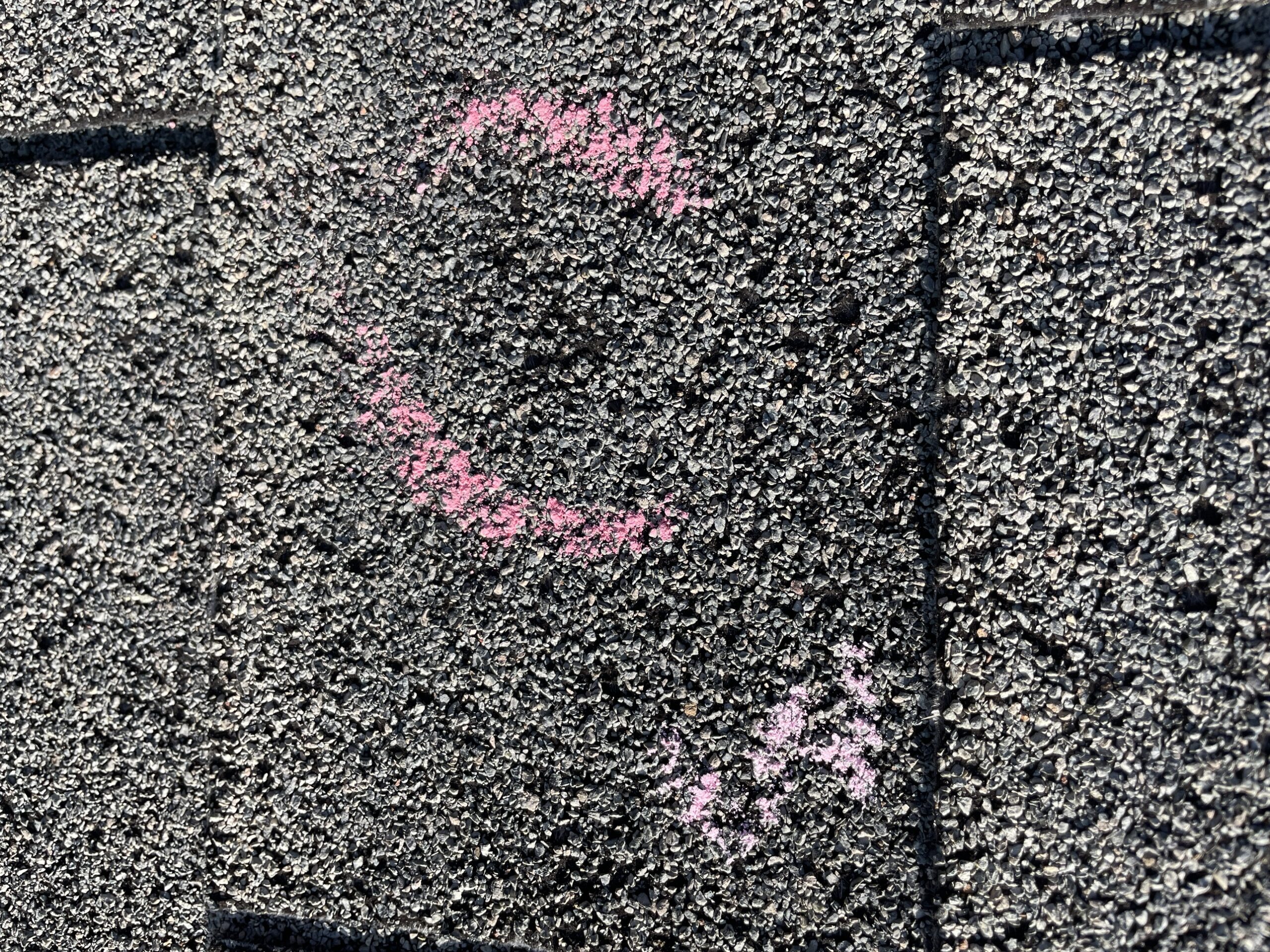
Hail damage happens when a hailstone strikes the shingle hard enough to bruise the mat underneath and knock granules loose at the point of impact. It’s caused by a specific weather event — exactly what your homeowner’s policy is built to cover.
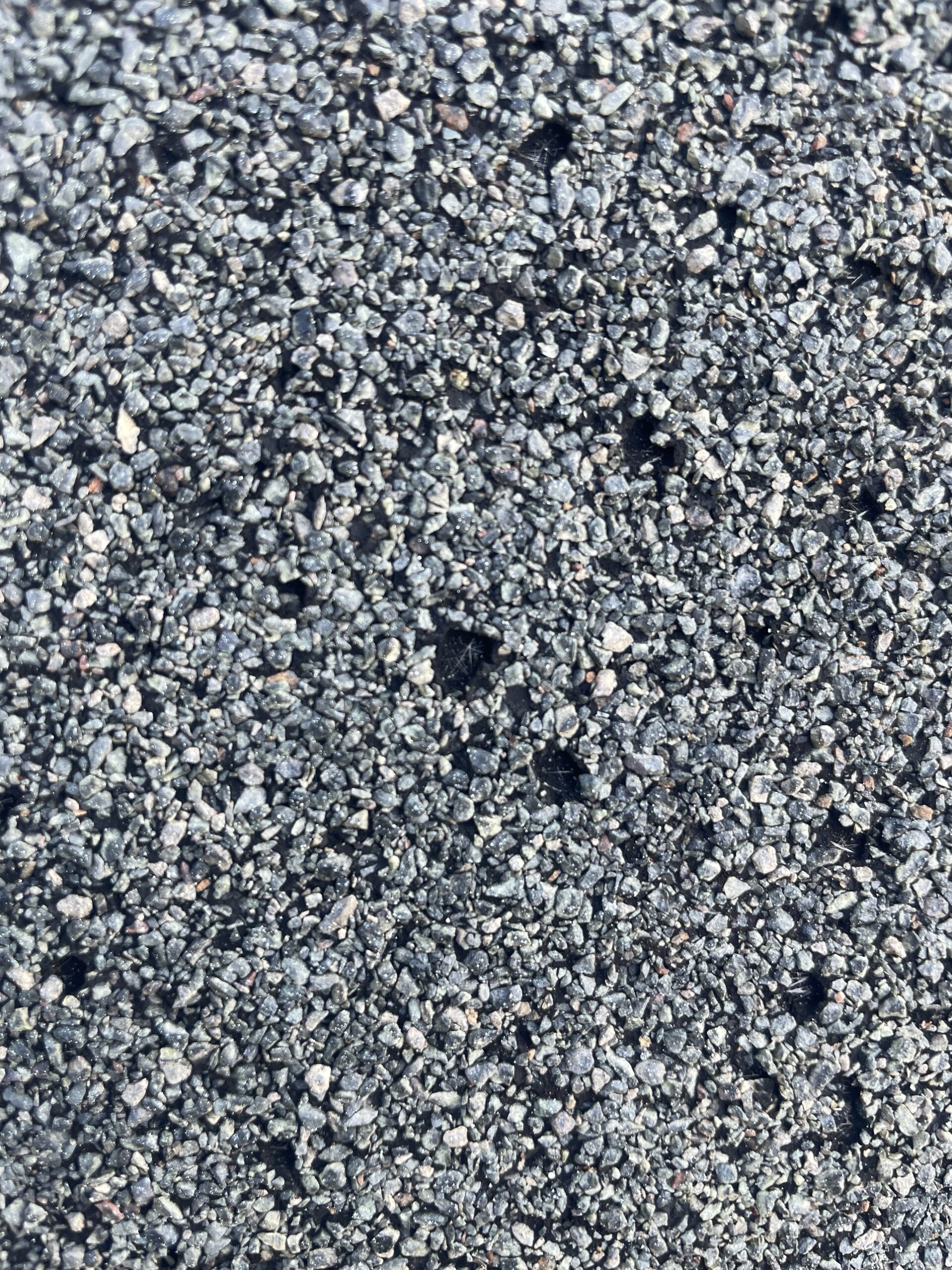
Heat blisters are a completely different animal. They’re caused by trapped moisture or air pockets from the manufacturing process, which expand and pop as the shingle heats up in the sun over time. No storm required — and no storm involved means no insurance coverage. It’s a manufacturing or aging issue, not storm damage, and carriers know the difference.
To an untrained eye, both can look like a small, round, discolored spot with some granule loss. That’s exactly the problem, and it’s the kind of detail we look for on every single inspection — a big part of why we handle the insurance conversation ourselves instead of leaving it to guesswork.